

Active woman skating outdoors

Treatments

Urethral Bulking


Icon that represents incontinence

~1 in 4 women in Europe experience urinary incontinence. Many women find that bladder leaks can negatively impact their confidence, social life and overall quality of life.

Urethral bulking is a minimally invasive treatment option for stress urinary incontinence (SUI)

SUI can cause urine leakage during activities such as coughing, laughing, sneezing or exercise. Urethral bulking therapy is a minimally invasive treatment option that may help reduce bladder leaks and improve confidence in everyday life.
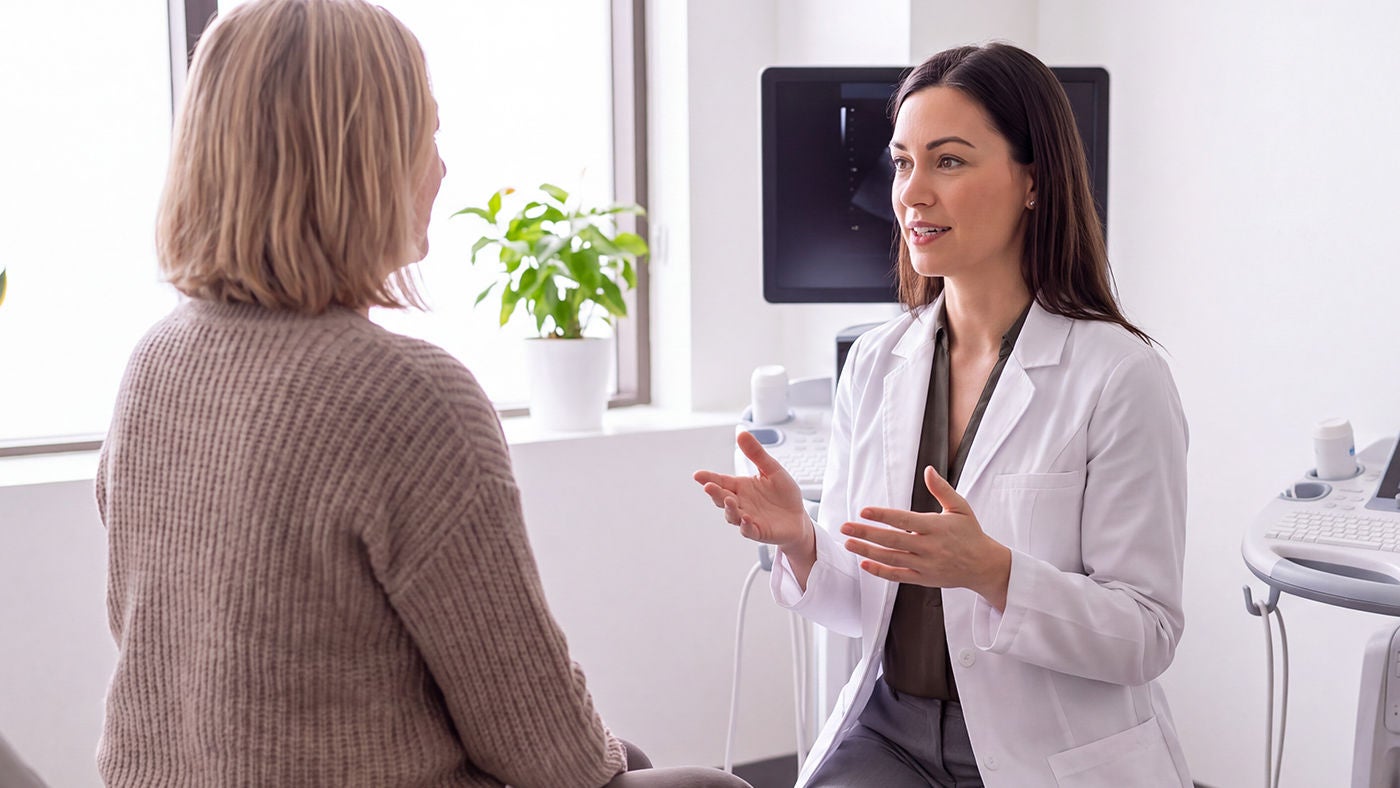

Healthcare professional consulting  female patient

How does a urethral bulking agent work?

A urethral bulking agent is a soft, water-based gel that is injected into the wall of the urethra to help it close more effectively and reduce urine leakage. By improving the urethra’s ability to stay closed during activities such as coughing, laughing, sneezing or exercise, urethral bulking agents can help restore bladder control in women with SUI.


Checkmark icon

Benefits of urethral bulking agents

Minimally invasive treatment option

Urethral bulking agents can often be administered in an office setting or as an outpatient procedure without the need for major surgery.

Short procedure and recovery time

The procedure is typically quick. Many women return to normal daily activities shortly after the procedure.

Improved bladder control

By helping the urethra close more effectively, urethral bulking agents may help reduce bladder leaks caused by stress urinary incontinence (SUI).

Positive treatment experience

Many women who choose urethral bulking therapy report improvements in bladder control, confidence and quality of life following treatment. In one study, 64% of women chose urethral bulking therapy over other SUI treatment options.¹


Information icon

Potential risks from urethral bulking agents

As with any procedure, there is a risk of side effects and complications. These include, but are not limited to:

  • pain with urination
  • blood in the urine
  • urinary tract infection
  • difficulty urinating immediately following the procedure
  • long term risks include difficulty urinating, abscess, scarring of the urethra, and urinary urgency

View urethral bulking safety information


The urethral bulking agent procedure

doctor and patient consult

Before

The procedure is typically performed in an outpatient setting under local anaesthetic. Before treatment, your doctor may check for urinary tract infections and explain the procedure, recovery and what to expect after treatment.

During

During the procedure, a small camera called a cystoscope is inserted into the urethra to help guide the treatment. The urethral bulking agent is then injected into the wall of the urethra to help it close more effectively and reduce urine leakage. The procedure is usually completed within around 20 minutes.

After

Most women return to normal daily activities shortly after the procedure. You may experience temporary urinary symptoms such as mild discomfort during urination or a sudden urge to urinate while the treatment area heals. Your doctor will explain any follow-up care and when you can return to normal activities.


Real stories about urethral bulking 

Lisa’s story about a urethral bulking agent

 Female patient consulting a doctor

Find a gynaecologist for incontinence near you

Your  gynaecologist can help you to discover the cause of your incontinence and recommend treatment options for you to try.


Frequently asked questions about incontinence

Urethral bulking may be an option for women with stress urinary incontinence (SUI), especially if bladder leaks happen during activities such as coughing, laughing, sneezing or exercise. Your doctor or gynaecologist can help determine the cause of your symptoms and discuss whether urethral bulking may be an appropriate treatment option for you.

Find a gynaecologist near you.

 Urethral bulking therapy is intended for the treatment of female urinary incontinence, or the involuntary loss of urine with movement or activity that puts pressure on the bladder, such as coughing or sneezing. Patients who have an infection of the bladder or urethra, active herpes outbreak, pelvic infection, or a history of damage to the urethral tissue may not be a candidate for this procedure.

With all medical procedures, there are risks associated with the procedure and the use of the device, including long-term implantation of the hydrogel. These risks include but are not limited to pain with urination, blood in the urine, urinary tract infection, or difficulty urinating immediately following the procedure. Long-term risks include difficulty urinating, abscess, scarring of the urethra, and urinary urgency. 

Be sure to talk with your doctor so that you thoroughly understand all of the risks and benefits associated with the use of the device.

View urethral bulking safety information            

Some women may notice an improvement in symptoms shortly after the procedure, although results can vary from person to person. Your doctor can explain what you may expect following treatment and whether additional treatment may be needed over time.


CAUTION: The law restricts these devices to sale by or on the order of a physician. Indications, contraindications, warnings, and instructions for use can be found in the product labelling supplied with each device. Products shown for INFORMATION purposes only and may not be approved or for sale in certain countries. This material not intended for use in France. This material is for informational Purposes only and not meant for medical diagnosis. This information does not constitute medical or legal advice, and Boston Scientific makes no representation regarding the medical benefits included in this information. Boston Scientific strongly recommends that you consult with your physician.

All images are the property of Boston Scientific.